





How Global Cuisine Trends Are Shaping Demand for Authentic Spice Extracts

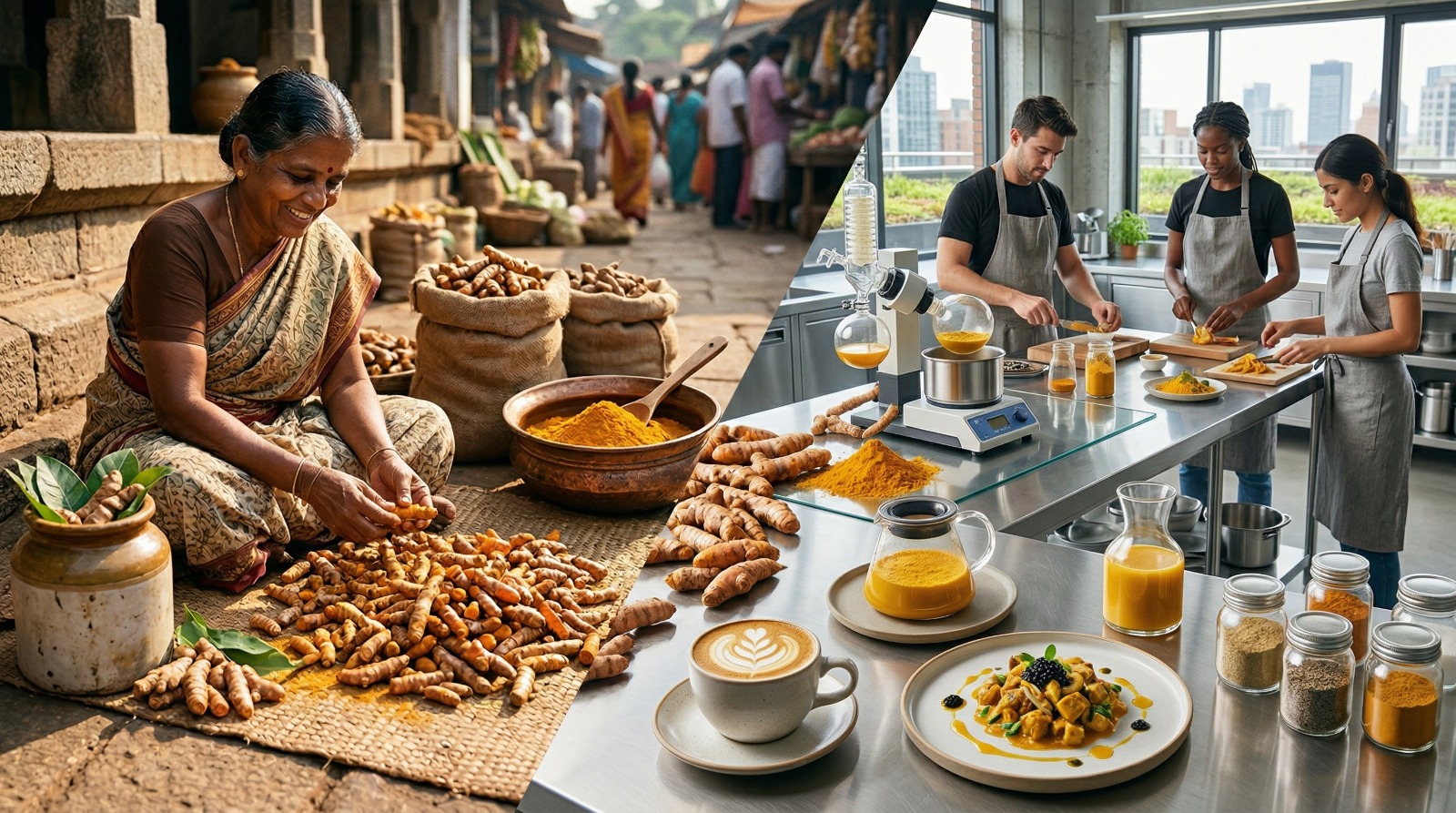
The growing popularity of international foods is creating new opportunities for spice ingredients across the global food and beverage industry. Consumers are increasingly exploring flavours associated with different culinary traditions, while food manufacturers are developing products that bring these experiences into convenient, commercially produced formats. This shift is increasing interest in spice extracts that can provide recognizable flavour and aroma with greater control over consistency and formulation.
Spices have always been used in dishes, either in their whole, ground or powdered forms. That being said, large scale food production might not be the best choice when it comes to using naturally variable raw materials. Due to different botanical varieties of spices originating from different regions, and also various conditions under which they were grown, and harvested, the characteristics of spices may vary significantly. Extraction methods make it possible for the manufacturers to obtain the concentrated parts of spices, which can be used in special food applications.
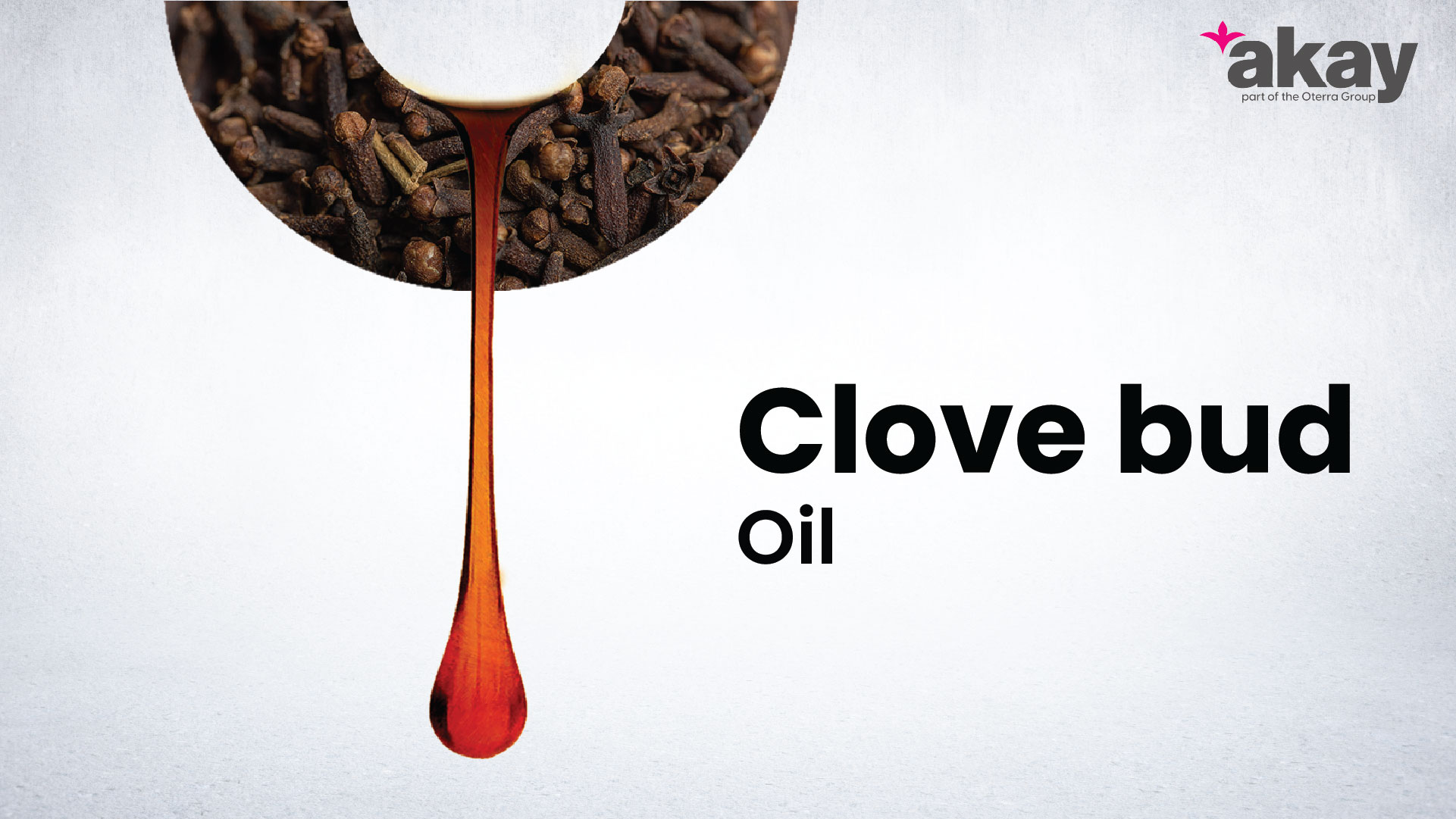
Modern extraction methods can be designed according to the characteristics of different spices and the needs of the final formulation. Controlled extraction and purification provide the manufacturers with an opportunity to attain the necessary flavour, aroma or naturally occurring substances while managing unwanted fractions. Standardization further enhances consistency of batches and makes spice extracts suitable for applications where stable performance is expected in the course of product development and commercial production
Why Is Demand for Authentic Spice Extracts Increasing?
The expansion of international cuisine is one of the major factors influencing spice ingredient development. Consumers are no longer limited to familiar local flavour profiles. Restaurants, food delivery platforms, travel, migration, digital content and social media have made regional cuisines more accessible, encouraging consumers to experiment with flavours from across the world.
This change is reflected in packaged foods as well. From sauces to snacks to instant meals Indian, Middle Eastern, Southeast Asian, African and European cuisines food flavors can be found in every edible item.
Nevertheless, when it comes to food manufacturers, making a food item taste unique does not mean that you should simply put more spice into it. The process of seasoning involves not only the quantity of spices used, but also the fact that the ingredient has to maintain the characteristic sensory profile associated with the intended cuisine.
This creates demand for spice extracts that offer:
Consistent flavour and aroma characteristics
Controlled concentration of selected compounds
Reproducible performance between batches
Compatibility with different food matrices
Suitable solubility and dispersion
Controlled colour and sensory impact
Ease of formulation and handling
How Is Extraction Technology Supporting Spice Innovation?
The composition of a spice is complex, with different compounds contributing to its flavour, aroma, colour and other characteristics. The extraction method used can influence which components are concentrated and how the resulting extract behaves in a food formulation.
Advances in extraction technology allow manufacturers to develop ingredients suited to specific applications rather than relying on one format for every product. An extract intended for an oil-based sauce may require different characteristics from one designed for a beverage or a dry seasoning system. Extraction can therefore become an important part of formulation development, particularly when manufacturers are looking to reproduce distinctive culinary profiles at a larger production scale.
The Importance of Standardization
Natural agricultural ingredients can show considerable variation. The same spice may differ in composition depending on its source, growing conditions, harvest and processing history. For commercial food manufacturers, this variation can make flavour consistency difficult to maintain. Standardized spice extracts can help provide defined specifications for selected compounds or characteristics, giving product developers greater control when determining inclusion levels.
This becomes particularly relevant when a product is expected to maintain the same sensory identity across repeated manufacturing cycles and different markets. Standardization can also simplify scale-up. Once the desired formulation has been established, a more consistently specified extract can help reduce the need for repeated adjustments caused by fluctuations in raw spice composition.
Global Cuisine Trends Creating New Applications
The growing interest in international flavours is expanding the role of spices across several food categories. Traditional culinary ingredients are increasingly being adapted for packaged foods, restaurant products, ready meals, sauces, snacks and beverages.
Indian-Inspired Foods
Turmeric, cumin, coriander, ginger, cardamom, black pepper and chilli are widely associated with Indian culinary traditions. These flavour profiles are increasingly appearing in sauces, snacks, ready meals, marinades and seasoning systems.
Middle Eastern Flavours
Ingredients such as cumin, coriander, cinnamon, cardamom and other aromatic spices are being used in modern dips, sauces, meat products, plant-based foods and seasoning blends.
Southeast Asian Profiles
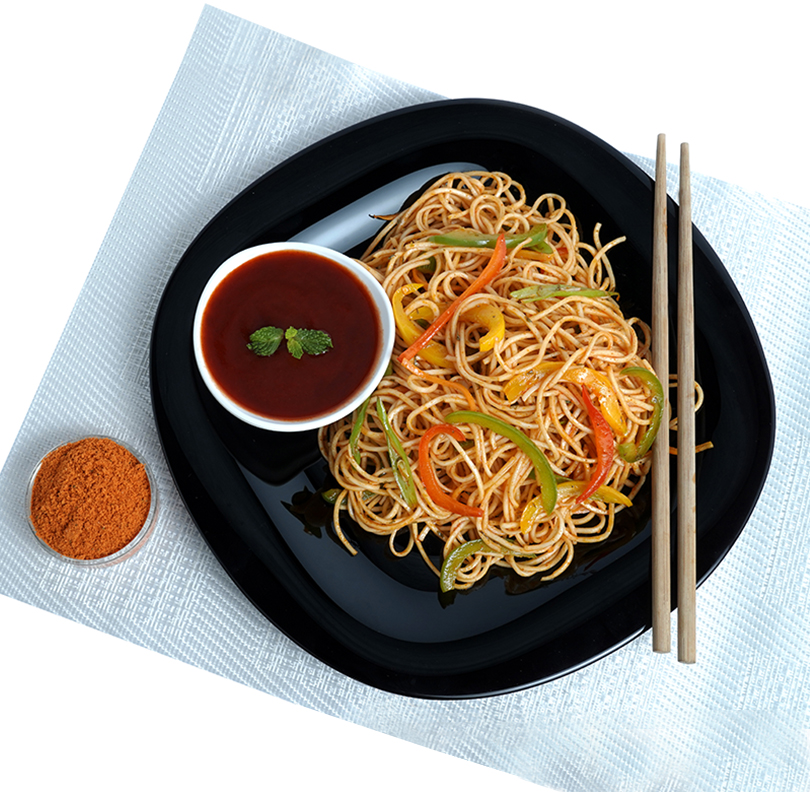
Chilli, ginger, garlic, lemongrass and pepper contribute to the characteristic profiles of many Thai, Vietnamese, Indonesian and Malaysian foods. Manufacturers are adapting these combinations for sauces, noodles, snacks and ready-to-cook products.
European and German Cuisine
European cuisines also rely on distinctive combinations of herbs and spices to create recognizable culinary profiles. German cuisine, for instance, uses ingredients such as caraway, mustard, marjoram, juniper, black pepper and paprika across sausages, breads, marinades, sauces and prepared foods.
As these traditional flavours are adapted for modern food manufacturing and foodservice, authentic spice extracts can provide a controlled way of incorporating familiar culinary notes while maintaining consistency across production. The objective is not simply to replicate a flavour, but to retain the characteristic identity of the cuisine within a formulation designed for contemporary processing and consumption.
Spice Extracts Across Modern Food Formulations
Different food products present different technical requirements. The extract selected for a formulation may depend on its composition, processing conditions, desired sensory characteristics and storage environment.
In sauces and condiments, concentrated extracts can help manufacturers manage flavour intensity while maintaining consistency across batches.
In snacks and seasoning systems, extracts can contribute to distinctive flavour profiles and support product differentiation.
In ready-to-eat and ready-to-cook foods, consistent spice ingredients can help maintain the intended regional flavour profile during large-scale production.
In meat and plant-based formulations, spice extracts can be incorporated into marinades, coatings and seasoning systems according to the characteristics of the product.
In beverages, spices such as ginger, turmeric, cinnamon and cardamom can provide recognizable sensory notes in concentrated formats.
What Should Manufacturers Consider When Selecting a Spice Extract?
Authenticity is important, but it is only one part of selecting a spice extract for commercial food production. Manufacturers also need to consider how the ingredient behaves within the intended formulation and whether it can deliver consistent results across production batches.
Key considerations include:
Botanical identity and source of the spice
Extraction and purification technology
Standardization of selected compounds
Concentration and dosage requirements
Solubility and dispersion
Flavour and aroma characteristics
Colour contribution
Compatibility with the food matrix
Processing requirements
Storage and handling conditions
The appropriate extract therefore depends on the intended application, formulation and desired sensory profile rather than simply the type of cuisine being recreated.
Akay and the Development of Authentic Spice Ingredients
As food manufacturers look for ways to bring traditional flavours into modern formulations, the quality and origin of the spice ingredient become increasingly important. Akay Natural combines its understanding of spices and botanical ingredients with advanced extraction technologies to develop spice-based ingredients designed for contemporary food applications.
The focus is on retaining the natural characteristics of the source material while developing ingredients that offer the consistency and practicality required by food manufacturers. Controlled extraction and processing technologies can help produce spice extracts in their authentic form, while maintaining defined ingredient characteristics for formulation use.
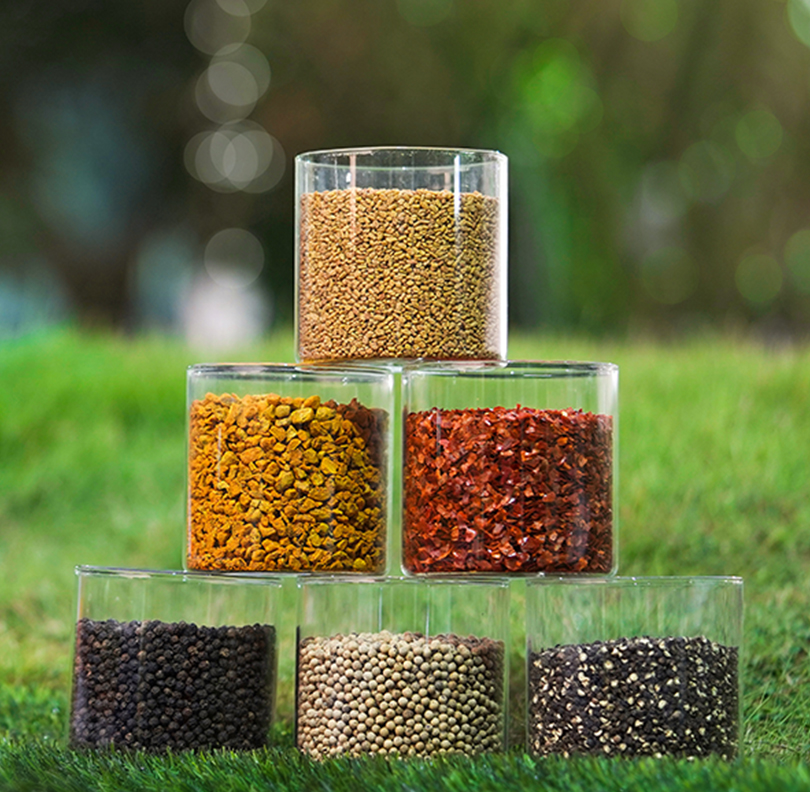
Akay’s spice ingredient solutions are available in powder and liquid formats, providing flexibility for different food matrices and processing requirements. These ingredients can be considered for applications ranging from sauces, seasonings and prepared foods to beverages and other formulations where authentic spice characteristics are important. For manufacturers, this combination of authentic botanical sourcing, extraction expertise and application-oriented ingredient formats can help simplify the process of incorporating traditional spice profiles into commercially produced foods.
Bringing Authentic Global Flavours to Modern Food Formulations
Global cuisine trends are changing the way consumers experience spices and, in turn, how manufacturers approach spice ingredients. Flavours that were once closely associated with particular regions are now being adapted into packaged foods, restaurant products, ready meals, snacks, sauces and beverages for consumers across different markets.
This creates a need to balance two requirements: authenticity and formulation consistency. Consumers expect a product inspired by a particular cuisine to retain its recognizable character, while manufacturers need ingredients that can be incorporated reliably into commercial production. Spice extraction technology and standardized ingredient formats can help address this requirement by providing concentrated spice-derived ingredients with greater control over formulation and dosage. From Indian and Middle Eastern flavours to Southeast Asian, European and German culinary profiles, authentic spice extracts can help translate traditional flavour identities into modern food formats.
As global food preferences continue to evolve, the role of spice extracts is moving beyond simple flavour enhancement. They are becoming part of a more technical approach to ingredient selection, where authenticity, extraction technology, consistency and formulation compatibility all contribute to the final product.
Looking to incorporate authentic spice profiles into your next formulation?Connect with our experts to explore a variety of spice extracts.